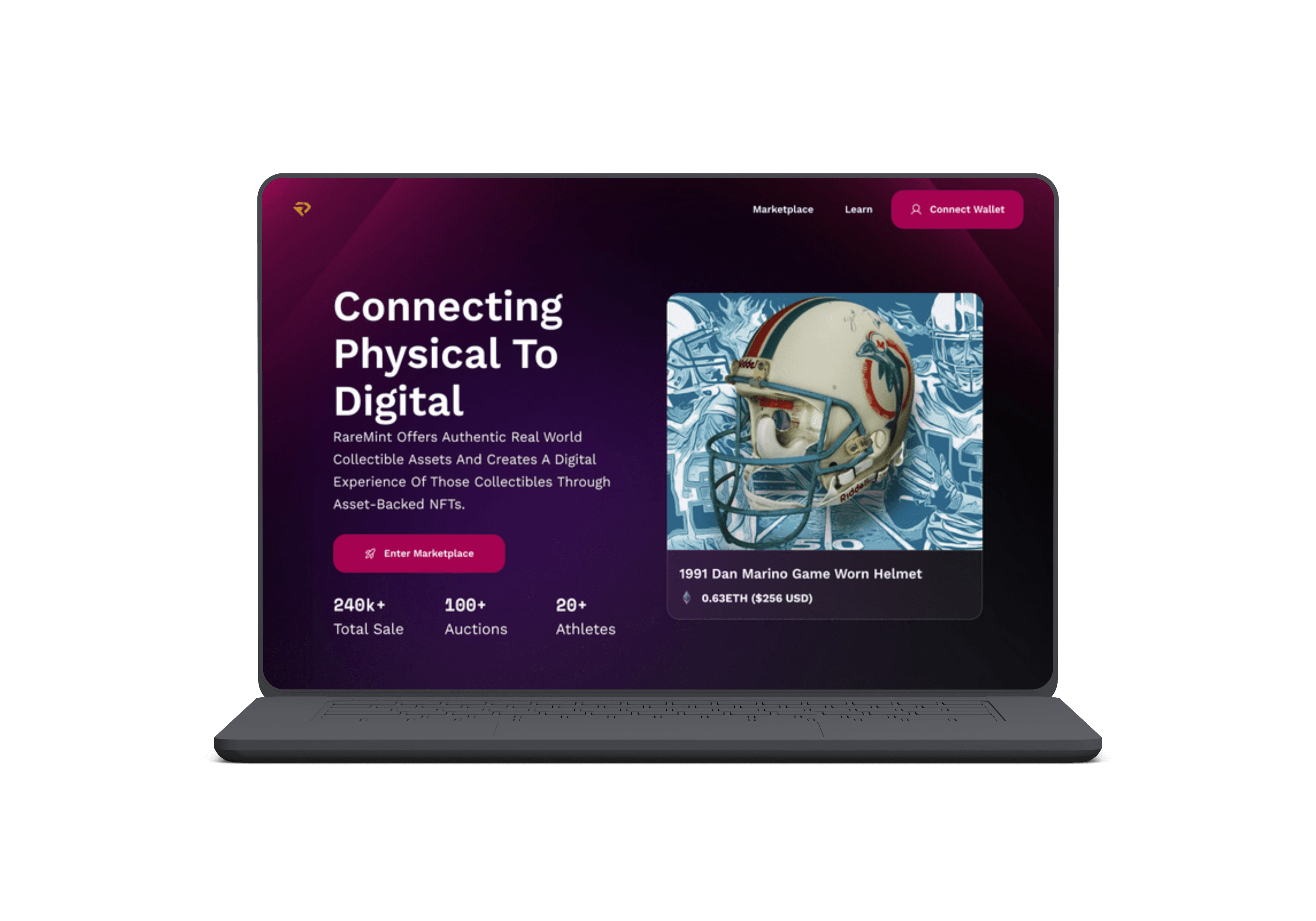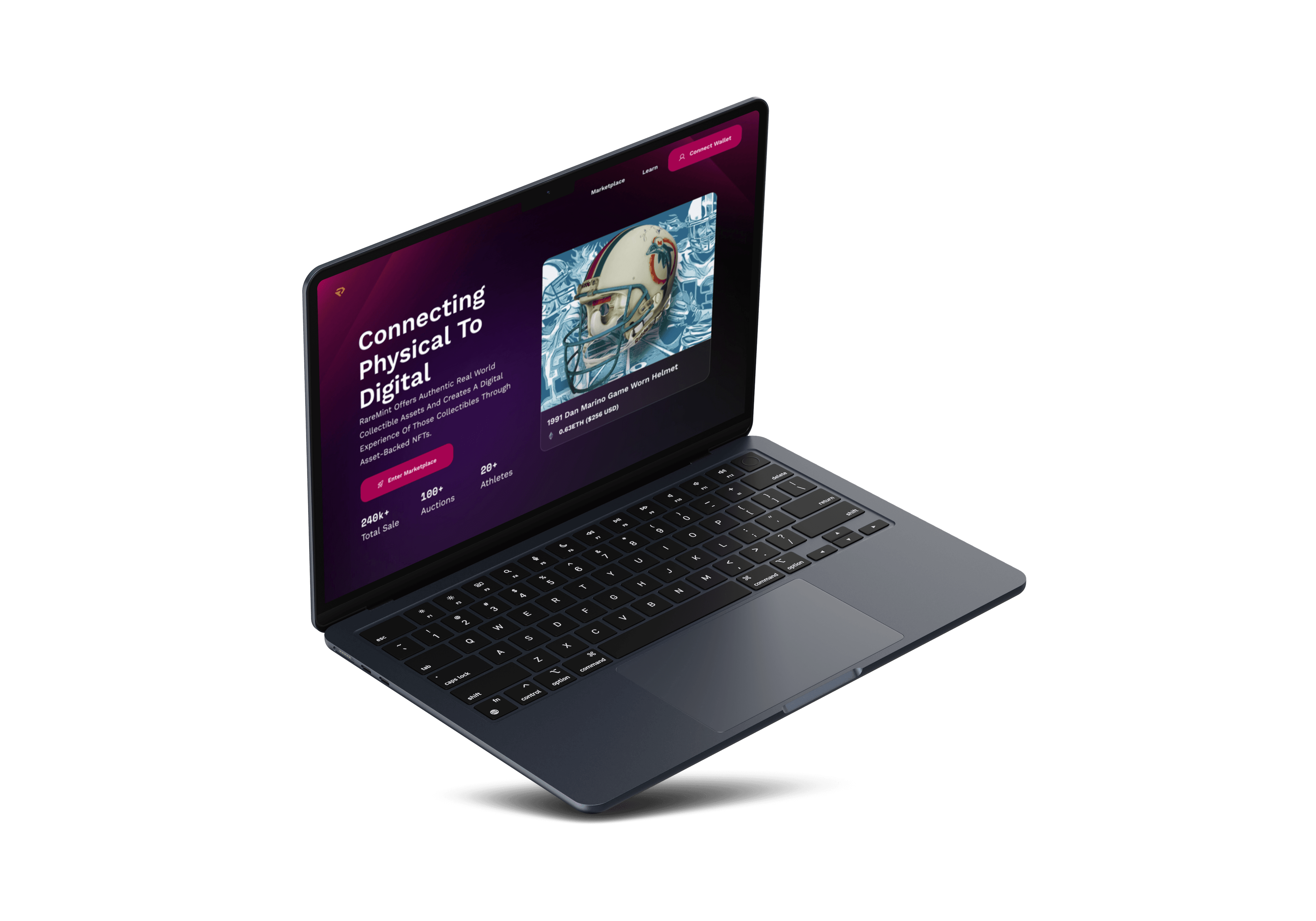
What is RareMint?
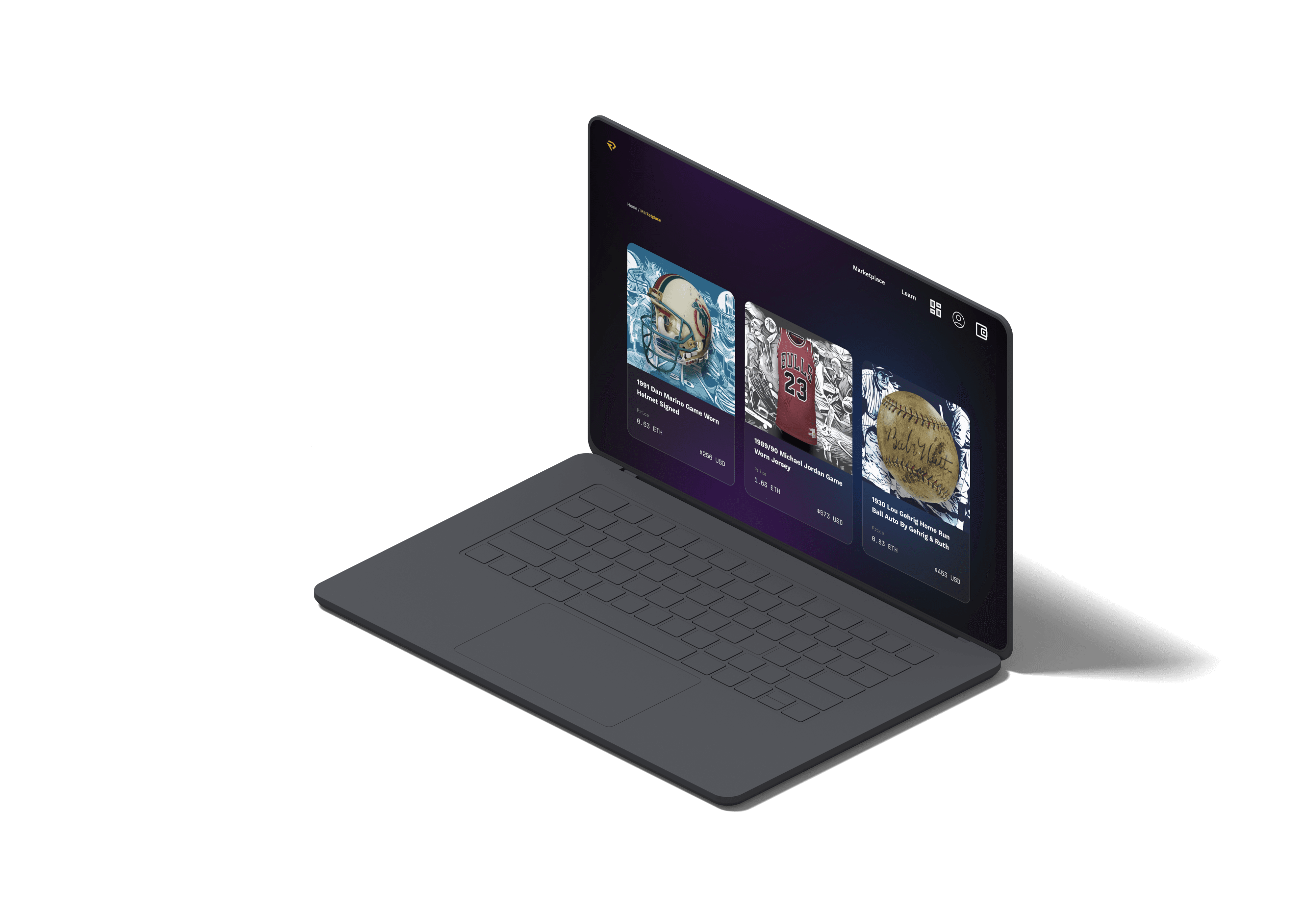
RareMint is an NFT marketplace that sells digital assets known as NFTs (non-fungible tokens) backed by each asset's physical version. I was tasked with creating a high-fidelity web prototype for their NFT marketplace.
Secondary Research
One of the first things I did when joining the Raremint team was learn more about the blockchain space and the people who invest in alt-coin projects. Before reaching out to any potential users, I wanted to read a bit online. I did this secondary research so that it would better prepare me for interviewing and screening users.
I also wanted to understand what it was like for the users on different NFT marketplaces so I could generate ideas on how we could make the process better for Raremint's users. I got a little bit of information about the motivation behind crypto investors and enthusiasts.
Of course, what I learned here was just assumptions to validate with participants later. Sources I found helpful were Youtube, Reddit, and Twitter. Some of the things I uncovered here are:
1. Crypto investors get very involved in the communities for the altcoin projects that they believe in.
2. Crypto investors are always on the hunt for promising alt-coin projects to invest in, with the goal of making money quickly or over time.to make
Screening Particpants
Who should we talk to?
The lead designer and I wanted to find people who were alt-coin investors. We wanted to understand their process of finding projects to invest in, and once they found these projects- how do they decide whether or not to invest?
There was another group of people we also wanted to target- sports memorabilia collectors. We wanted to gauge their interest in collecting digitally. With this in mind, we sent out two separate surveys. We also reached out to the crypto community on Telegram and sent out these surveys on various social media channels.
Survey number one main criterion:
Are you a crypto investor?
Do you invest in alt-coin projects?
Survey number 2 criteria:
Do you collect sports memorabilia?
Are you interested in collecting digitally?

User Interviews 🔎
After screening participants with surveys, we had a group of five collectors and five alt-coin investors. Next up was to talk to these people and get to the heart of their motivations, goals, and frustrations when it comes to investing in crypto projects or collecting sports memorabilia. My lead designer crafted an interview guide for each group consisting of open-ended and non-leading questions. We conducted these interviews via Zoom and recorded them so we could reference back later.
Synthesizing Data
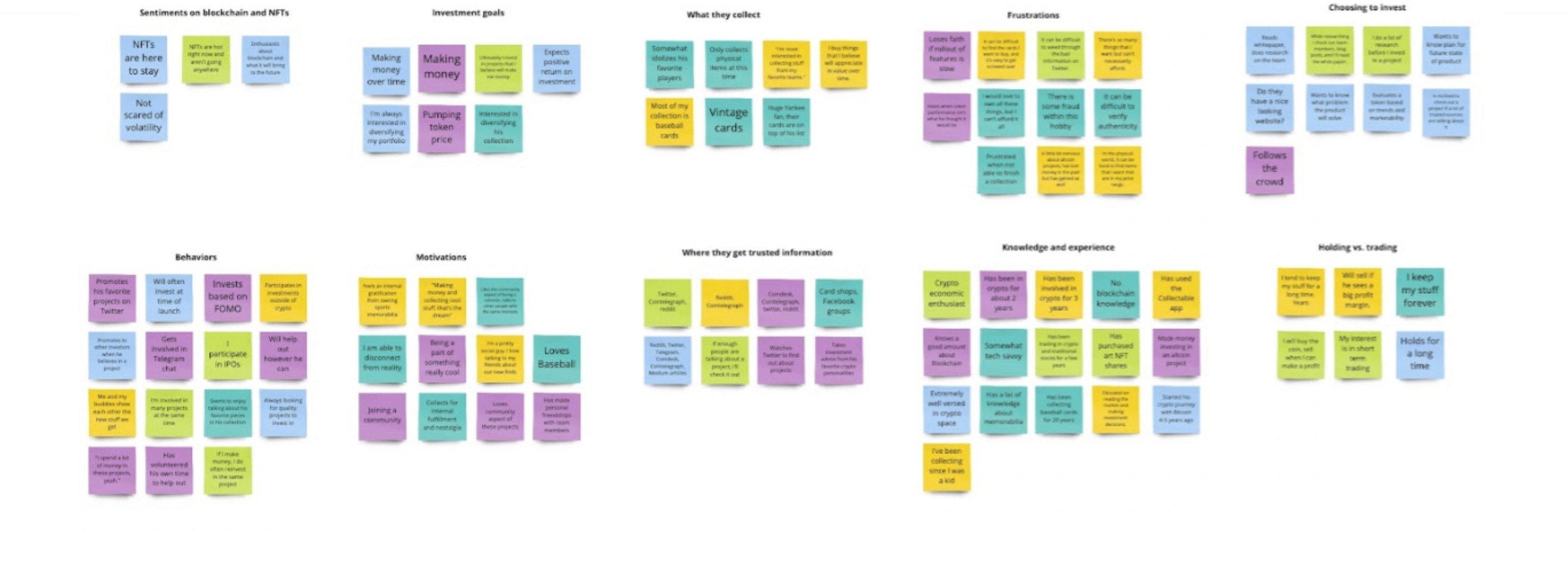
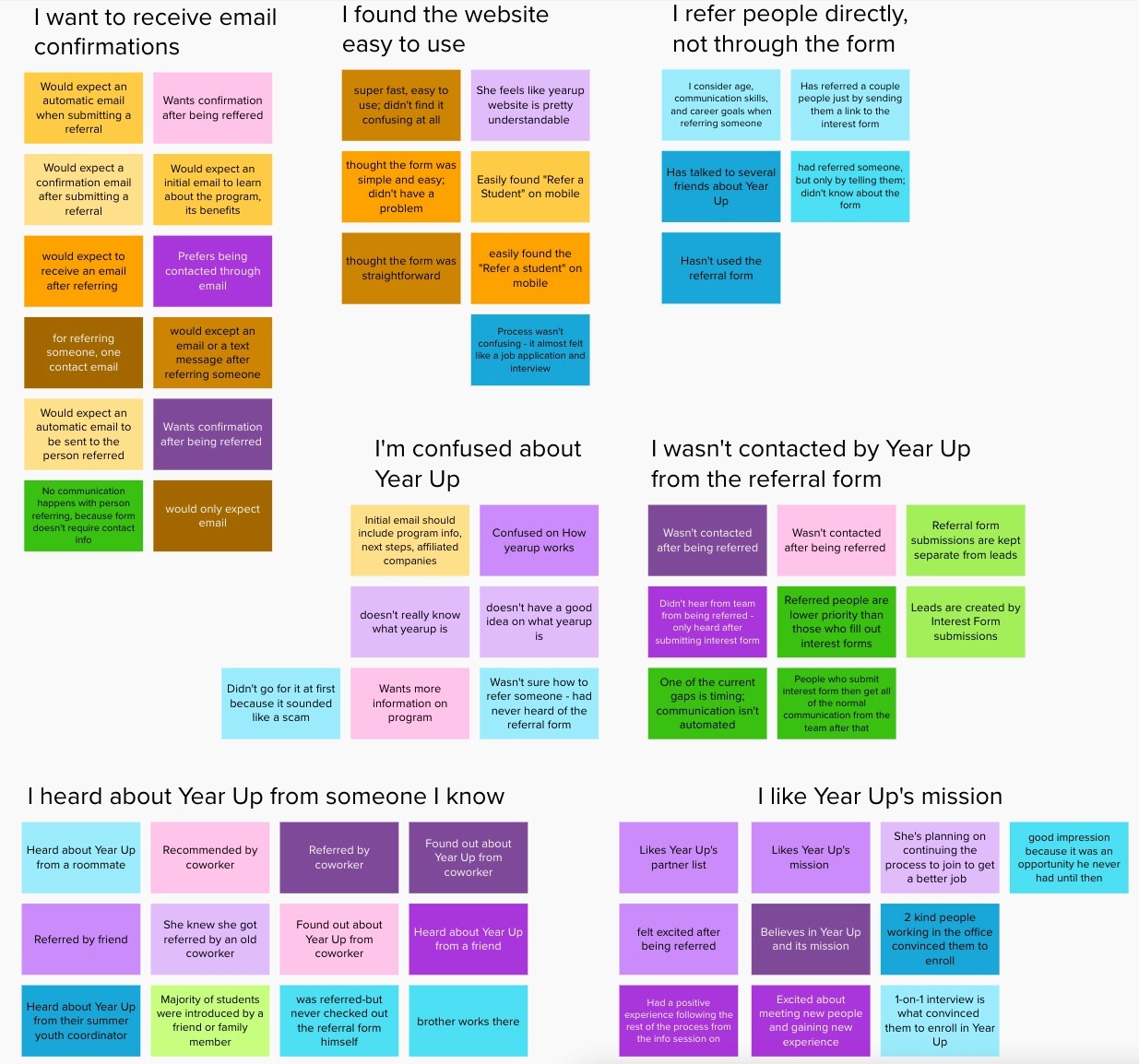
We created an affinity diagram to make sense of what we had learned from our potential users. I grouped information together that was related and labeled them. It turned out that some of my previous assumptions were validated by user input, but there were a couple of differences between the investors that I interviewed. They didn't all invest for the same reasons. The memorabilia collectors also had different motivations. I would use the information from the diagram to create user personas and journey maps.
Personas
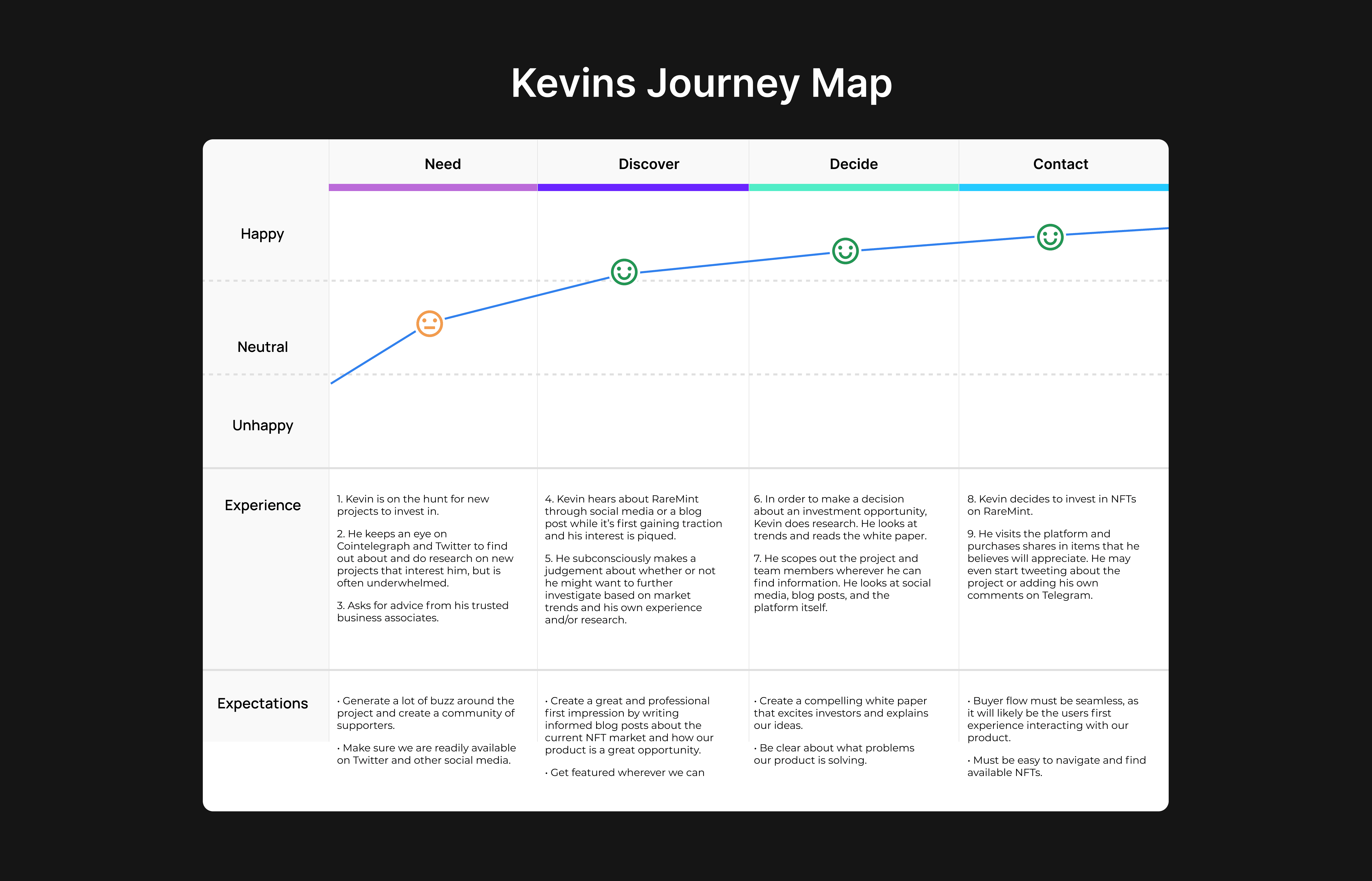
We created 5 user personas and journey maps created from the user research.
Kevin - Crypto Investor
Cam - Sports memorabilia collector
Henry - Hobbyist Sports collector
Evan - FOMO crypto investor
Phil - Crypto Flipper
Our primary persona is Kevin the crypto investor. He makes informed decisions about what he invests in and has been doing this for quite some time. He doesn’t act on FOMO but rather acts on market trends and projections. He has previously made a solid amount of money in crypto and likely works in tech, finance, or similar industries. He is in his low to mid-30s. His goal is to make money over time with the motivation of living a comfortable or sometimes even luxurious lifestyle.
Competitive Research
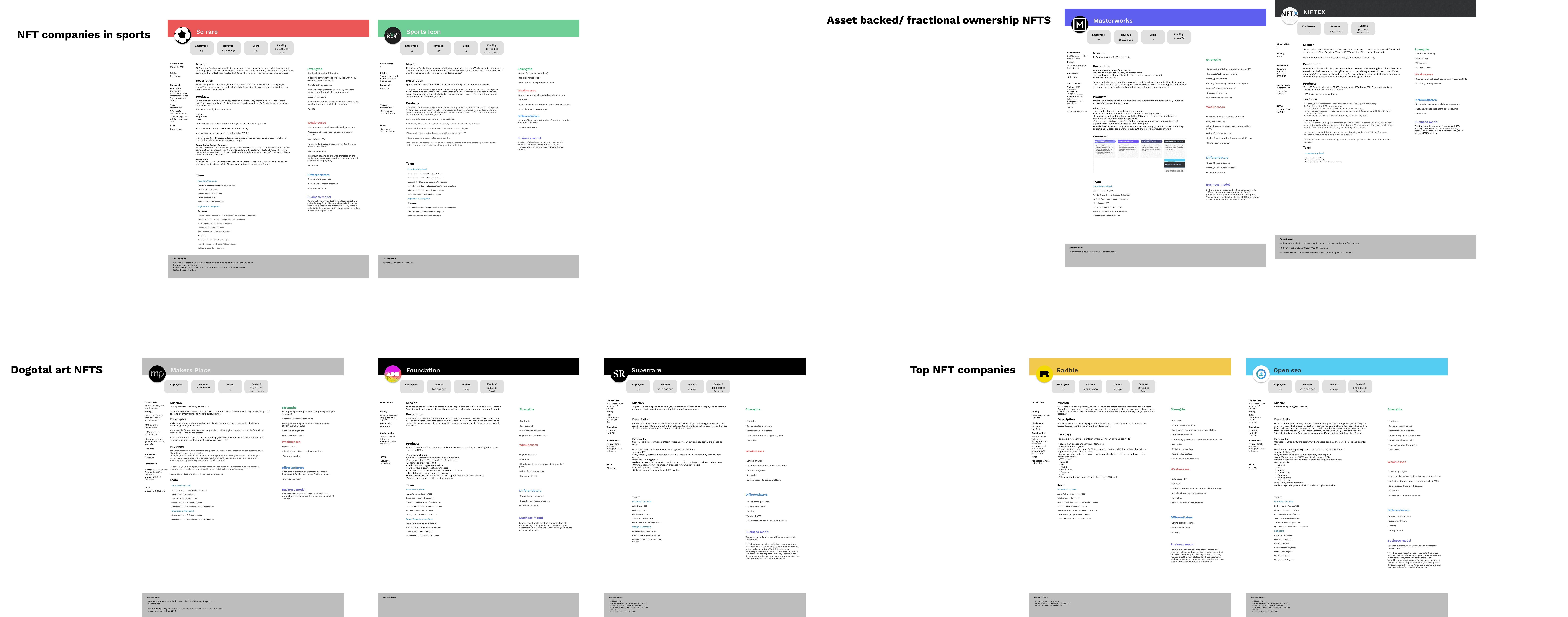
After reviewing the user research we had collected, I conducted competitive research on other NFT marketplaces. I wanted to identify a gap in the market that our product could fill. While there were a lot of blockchain-based marketplaces for collectibles such as art and sneakers, none were solely focused on sports memorabilia.
One of the companies I found was called Otis. I liked how they had dedicated a big piece of their platform to educating users about investing, and their value proposition was obvious- they want to make it possible for anyone to own a part of the culture.
Some other things I found:
No competitors sold NFTs backed by each asset's physical version, this was a value proposition that set RareMint apart from competitors
The best projects on the market made their value proposition very clear for users and dedicated a big piece of their platform to educating users about their product and investing.
Some marketplaces didn't have an inventory section where users could see the NFTs they purchased
User Flows
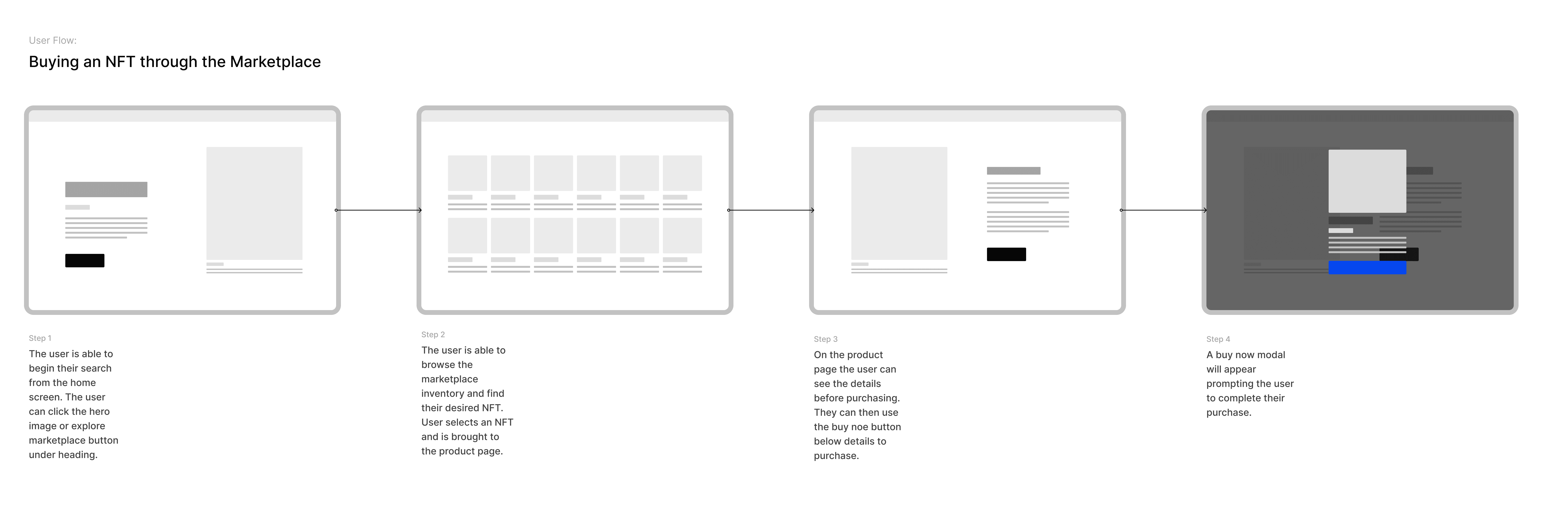
I created user flows to address the needs of each persona for the MVP version of the product. Some of our users would not have much experience using Blockchain products, so I spent some time outlining the first-time user flow with an emphasis on educating the users about the product. Since the buyer flow would be the first point of contact for first-time users, I prioritized it.
Wireframes/Usability Test
From the user flows, I created and tested a few different low-fidelity wireframes in Figma. The goal was to test ideas quickly and see which made the most sense to users. I was able to choose which set to go with because 5/5 users were able to complete all three tasks. After that was settled, I moved on to a medium-fidelity prototype.
During moderated usability testing sessions, I asked the users to complete three tasks:
1. Connect their wallet.
2. Purchase an NFT from the offerings.
3. View the NFT you purchased.
5/5 users were able to complete these tasks in under 2.5 minutes, but I got feedback for iteration before high-fidelity mockups were made.
The Solution
Here is a quick video of the final mockup with the same user flow. I used colors and fonts that were preferred when I did A/B testing on style tiles. To recap the outcome, I had a 100% usability success rate, and the look and feel were rated a 5 by 80% of users.
The Result
The final step was completing a high-fidelity prototype, demonstrating it to Raremint’s Founders, and preparing the design to be handed off to the development team.
I learned on this project the importance of diving into the user experience first-hand to better understand what the user goes through. The Raremint marketplace went live earlier this year. The next step I would like to take is creating a mobile app version of the RareMint Marketplace for mobile users so stay tuned for an upcoming project.